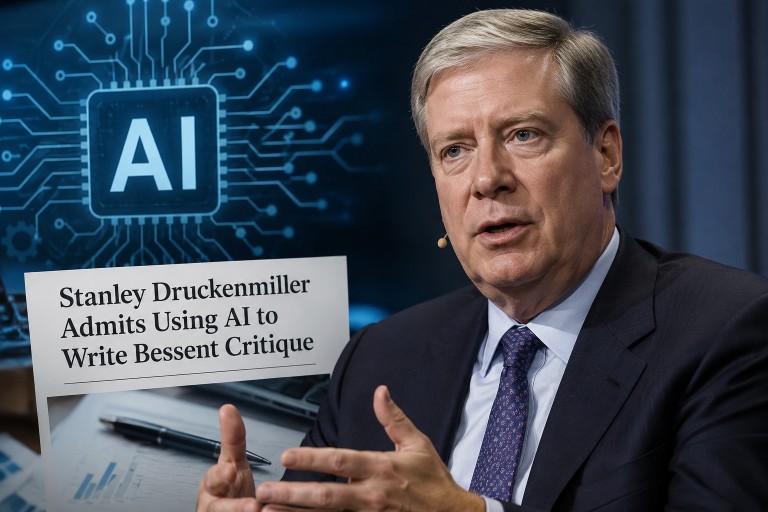
Stanley Druckenmiller, the billionaire investor, has disclosed his use of artificial intelligence in crafting an opinion piece critical of US Treasury Secretary Scott Bessent’s bond market strategy. He emphasized that while AI assisted in the writing process, the core ideas and arguments presented in the article were entirely his own. Druckenmiller expressed pride in leveraging technology as a tool in his writing endeavors.
The publication that featured Druckenmiller’s article stood by its integrity, highlighting that the primary concern was whether the contributor’s original ideas and viewpoints were faithfully conveyed. This endorsement suggests a commitment to ensuring that the essence of the author’s perspective remained intact, irrespective of the method used in composing the article.
This revelation has fueled ongoing discussions about the role of artificial intelligence in journalism and opinion writing. The debate focuses on critical issues such as authorship, transparency, and maintaining editorial standards in a landscape increasingly influenced by technological advancements. As AI becomes more prevalent in various fields, its impact on traditional writing processes continues to provoke thoughtful consideration and analysis.
The use of AI by influential figures like Druckenmiller adds a significant dimension to the conversation about the evolving nature of writing and authorship. The balance between human creativity and technological assistance remains a point of contention, raising questions about the future of journalism and the standards that will govern it in an era of rapid technological change.