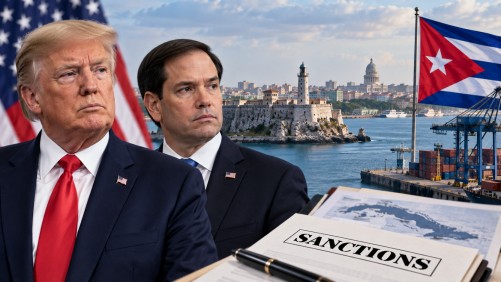
The expansion of U.S. sanctions against Cuba has led to a reshuffling of business interests on the island, as American companies and investors eye emerging opportunities. The Trump administration’s intensified measures have pressured foreign enterprises, prompting some to reconsider their operations in Cuba’s key sectors like mining and tourism.
A notable example is the Canadian firm Sherritt International, which is facing challenges in its Cuban ventures. This situation has attracted interest from American groups, with two U.S. entities reportedly competing to acquire Sherritt’s stake in a nickel and cobalt mining project. Ray Washburne, a businessman with close ties to former President Trump, and Texas investor Albert Huddleston, who has connections to the White House, are among those involved in these proposals.
Similarly, the Australian company Antilles Gold is navigating U.S. sanctions by transferring its interest in a Cuban copper-gold project to Global Emerging Markets, a U.S.-based investment firm. This move underscores the growing interest of American firms in the island’s mining potential, amid an environment of heightened economic pressure.
The tourism and real estate sectors in Cuba are also drawing attention from U.S. business figures, particularly those linked to the Trump Organization. As European hotel chains scale back their presence, American executives explore possibilities on the island. This shift is partly driven by the increased difficulties international carriers face in servicing Cuba, creating openings for U.S. shipping companies.
Moreover, U.S. oil exports to Cuba’s private sector have surged, benefiting Florida and Texas companies. This trend reflects a broader interest in shaping Cuba’s economic landscape, with U.S.-based lobbying organizations and firms connected to Trump and Secretary of State Marco Rubio playing advisory roles. Their efforts include strategizing for potential investments and addressing issues related to property confiscation by the Cuban government.
Cuban-American investors are also gearing up for a potential political and economic transition, exploring strategies to channel significant private investment from Cuban exiles into the island if a major political shift occurs. This activity highlights the competitive landscape among American businesses and political networks vying for influence over Cuba’s future amidst ongoing U.S. pressure.