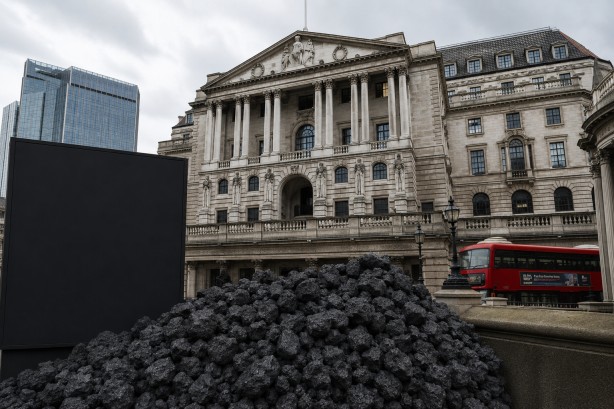
Beginning in October, the Bank of England will no longer accept bonds associated with thermal coal companies as collateral for its lending operations. This move is seen as a substantial effort to tackle financial risks linked to climate change.
Bonds serve as a key form of collateral for commercial banks, which include significant lenders, borrowing from the central bank to facilitate their daily operations and transactions. Under the latest policy, any bonds tied to thermal coal—commonly used in power plants for electricity generation—will be deemed ineligible.
The central bank has highlighted that companies dealing in thermal coal are increasingly vulnerable to financial risks as nations expedite their shift towards cleaner energy alternatives and strive for net-zero emissions. Consequently, assets related to coal could see a devaluation over time. Additionally, the revised policy grants the Bank of England the authority to impose discounts on bonds from sectors that are likewise susceptible to climate risks, thereby safeguarding its balance sheet from potential financial losses.
This initiative has been positively received by environmental organizations, which believe it sends a robust message to the financial markets and might prompt commercial banks to decrease their investments in industries with high pollution levels. Currently, over 150 major financial institutions globally have already set restrictions on dealings related to the thermal coal sector.
Financial analysts suggest that the success of this policy will largely depend on the assessment of climate risks and whether similar policies will be extended to other activities harmful to the environment in the future.