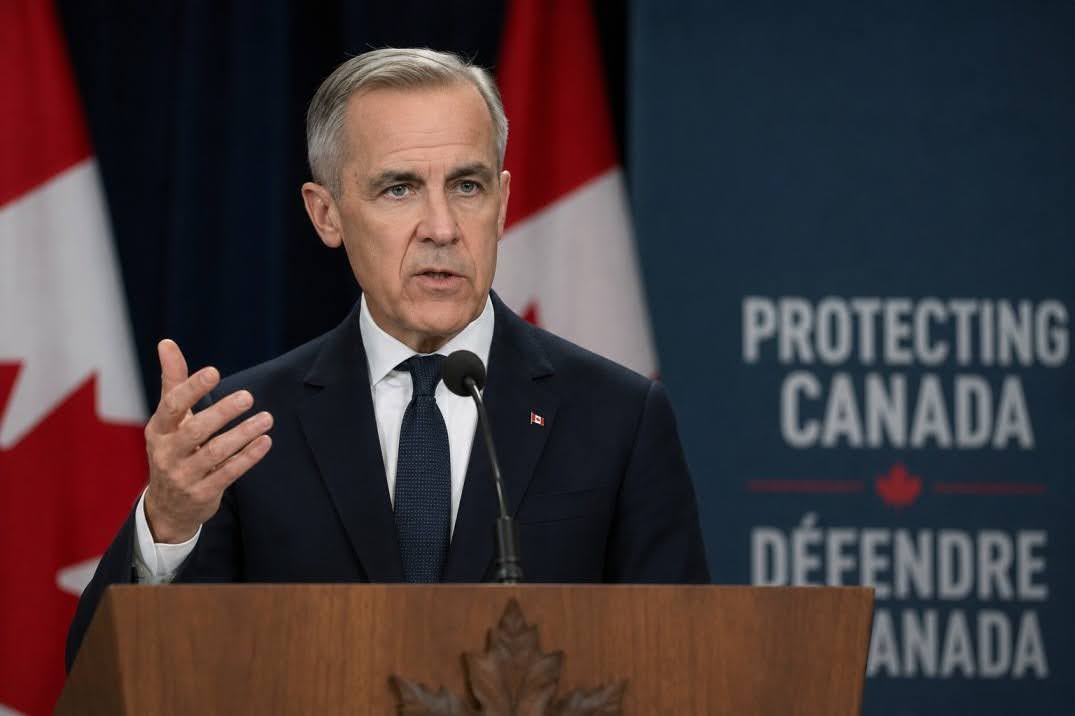
With tensions between the United States and Canada escalating, Canadian Prime Minister Mark Carney has issued a stern rebuke to the Trump administration’s approach to trade discussions. Carney has urged U.S. officials to abandon their dismissive tone and engage in serious dialogue, as Canada prepares to implement retaliatory tariffs on U.S. products. He criticized the disparaging remarks aimed at Canada, arguing that they undermine the dignity of the involved offices and calling for a return to meaningful negotiations after what he described as an overreliance on memes and posturing by Washington.
The discord has been intensifying as President Trump recently issued an order to rename Lake Ontario as “Lake America,” a decision that met with significant disapproval in Canada. The U.S. trade representative, however, has minimized the potential consequences of the ongoing trade dispute, suggesting that the economic repercussions would be more severe for Canada than for the United States. The official further noted that no active trade discussions are currently occurring between the two nations.
The breakdown follows the recent collapse of U.S.-Canada trade negotiations, which took place about a week ago. In response, the U.S. imposed 50% tariffs on $20 billion worth of Canadian imports. Canada, a major trading partner of the United States, retaliated by announcing similar tariffs on American goods totaling $20 billion, set to be enacted on September 8. Both Canadian and American consumers are likely to feel the effects of this trade conflict, particularly in terms of everyday products.
The U.S. trade representative attributed the impasse to Canadian demands, specifically mentioning the request for reduced taxes on heavy-duty trucks as a significant barrier. He questioned Canada’s intentions, suggesting that restrictive measures on American goods and services could prompt reciprocal actions from the U.S. Canadian officials, however, have countered this narrative, pointing to internal White House disagreements over the leadership of the negotiations. Carney has highlighted that American negotiators viewed Canada’s French-language protections as a contentious issue, even though these are longstanding rights, especially in Quebec.
President Trump has framed the trade dispute as stemming from Canada’s desire for the benefits of close U.S. ties without full integration. He has accused Canada of imposing substantial tariffs on American agricultural products over the years. Meanwhile, the U.S. trade representative has acknowledged the uncertainty surrounding the exact causes of the negotiation breakdown, whether political or economic, and emphasized that the realistic options were never simply between the current tariffs and a scenario of completely tariff-free trade.