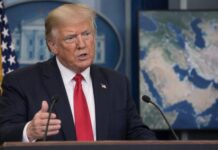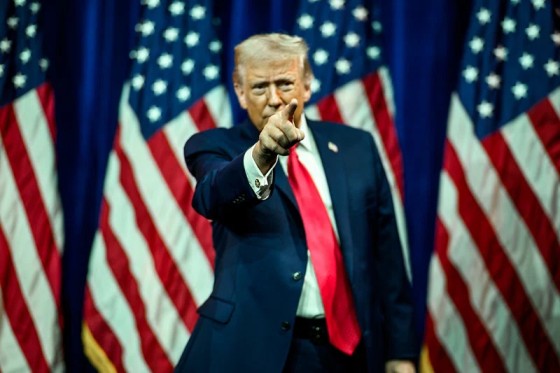
During a cabinet meeting, US President Donald Trump issued a stern warning to the Gulf nation of Oman regarding the strategic Strait of Hormuz. Trump emphasized that the passage, crucial for global oil transportation, must remain accessible to all and firmly stated that no single country would be allowed to exert control over it. His comments came amid discussions between Iran and Oman about potentially introducing transit fees for ships navigating the vital waterway.
The president assured that the United States would actively oversee the strait to ensure ongoing freedom of navigation. He cautioned Oman, a nation with longstanding ties to the US, to act in accordance with international norms, hinting at serious repercussions should Oman choose not to comply. Trump’s remarks highlighted the significance of the Strait of Hormuz, where about 20% of the world’s oil supply transits, and underscored the growing anxiety over global energy resources and security in light of the ongoing US-Israel tensions with Iran.
Oman has traditionally served as a mediator in regional disputes, often facilitating diplomatic exchanges between Iran and Western countries. Despite this, Trump’s comments suggested a shift in the US stance, indicating less tolerance for any actions perceived as attempts to control the strait.
Additionally, Trump accused Iran of stalling current negotiations, suggesting that they might be attempting to gain leverage by waiting out political changes in the US before the midterm elections. This accusation reflects the broader complexities in US-Iran relations, which have been marked by ongoing disputes and strategic maneuvering.