As Rabat prepares to be celebrated as UNESCO’s World Book Capital in 2026, the Moroccan capital is also making waves for its rich tapestry of history, art, and coastal allure. The city offers a serene alternative to the bustling tourist hubs elsewhere in Morocco. Visitors can explore two contrasting worlds: the modern district, with its broad boulevards and sleek modern architecture, and the ancient medina, where winding alleyways brim with local markets, traditional crafts, and aromatic spices. Unlike other crowded marketplaces, Rabat’s medina allows for a leisurely exploration, offering an authentic experience at one’s own pace.
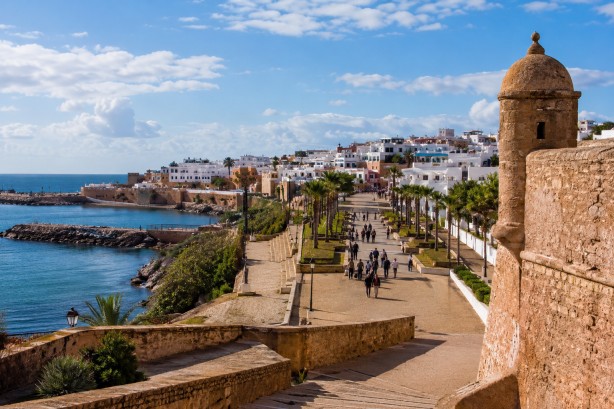
For those with an appreciation for art, the Mohammed VI Museum of Modern and Contemporary Art is a must-visit. The museum houses an impressive array of Moroccan contemporary art, showcasing the nation’s artistic journey through various mediums such as paintings, photography, and installations that provoke thought and inspire. Meanwhile, the Kasbah of the Oudayas, perched with views over the Atlantic, provides a picturesque setting with its white-and-blue dwellings and tranquil lanes, while the nearby Andalusian Gardens offer a retreat into nature with vibrant flora and peaceful pathways.
The city’s coastline is another highlight, where Rabat’s beach becomes a lively hub for families, sports enthusiasts, and surfers alike. As the sun sets over the Atlantic, the area transforms into a serene backdrop for evening strolls. Culinary experiences in Rabat further enrich the visit, with traditional Moroccan dishes like lamb tagine and couscous, complemented by the refreshing taste of mint tea served in riverside cafés overlooking the Bou Regreg River. This culinary journey reflects the depth of Morocco’s gastronomic heritage.
History buffs will find the Chellah archaeological site captivating, as it melds ancient Roman ruins with an Islamic necropolis from the medieval era. The location’s peaceful gardens and panoramic views offer a unique glimpse into the region’s layered past. For those seeking to explore the city efficiently, electric tuk-tuks provide a novel way to navigate Rabat’s landmarks. As the day winds down, the waterfront restaurants become ideal spots to indulge in local delicacies while enjoying the scenic river views.
Rabat’s literary spirit is further underscored by its independent bookstores, offering a wide range of titles that reflect its burgeoning literary scene. Yet, Rabat’s charm extends well beyond its upcoming recognition by UNESCO. The city harmoniously blends its cultural and historical heritage with warm hospitality and stunning coastal beauty, promising visitors an enriching and memorable journey, whether their interests lie in architecture, history, or simply the authentic Moroccan street life.