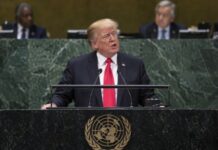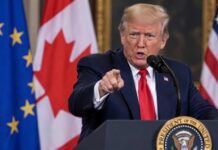
Tensions have flared during negotiations between the United States and Iran in Switzerland, as the Iranian delegation briefly exited discussions due to remarks made by US President Donald Trump. Trump issued a stern warning to Tehran, urging it to curb Hezbollah’s activities in Lebanon and cautioning that continued instability might provoke military action. This prompted a forceful response from Iranian officials, who declared that their military forces were ready to counter any threats.
Despite the temporary walkout, diplomatic insiders have reported that Iran has not officially pulled out of the talks. The negotiations aim to implement a recent memorandum of understanding between the US and Iran and lay the groundwork for broader discussions. Initial talks have concentrated on the agreement’s execution and the situation in Lebanon, rather than Iran’s nuclear activities.
The backdrop to these talks includes heightened regional tensions, marked by confrontations between Hezbollah and Israel, as well as disruptions in the Strait of Hormuz. Iran has consistently asserted its right to enrich uranium, yet insists it is not pursuing nuclear weaponry. This stance continues to be a contentious point in diplomatic relations.
Efforts to maintain diplomatic channels remain ongoing, but significant challenges persist, particularly regarding regional security issues and the violence in Lebanon. Both countries are striving for a diplomatic resolution, though these longstanding disagreements pose formidable barriers to reaching a lasting accord.