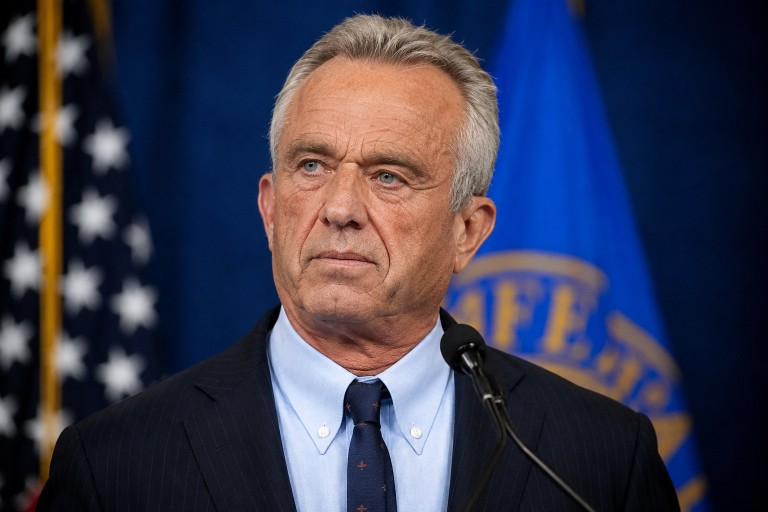
Robert F. Kennedy Jr., the U.S. Health Secretary, has emphasized the importance of early Alzheimer’s disease detection, advocating for enhanced screening measures. Despite this push, progress in the field has been hindered due to inactivity of a crucial federal advisory panel, which plays a significant role in assessing preventive health strategies, having not convened in over a year.
The scientific community remains divided on the issue of regular Alzheimer’s screening for asymptomatic individuals, citing a lack of sufficient evidence to support such a widespread approach. Researchers stress the need for ongoing investigations to establish dependable and effective screening techniques that could potentially lead to earlier detection of the disease.
Concerns have been voiced by scientists regarding interruptions in funding and delays in research initiatives, which have impeded the development of innovative diagnostic tools. Among these are promising blood-based biomarkers that hold potential for earlier Alzheimer’s detection. Although some new diagnostic tests have been introduced for patients with symptoms, experts advise that these are not yet suitable for use in routine, population-wide screenings.
Despite these challenges, U.S. health officials reaffirm their commitment to backing Alzheimer’s research and programs aimed at enhancing diagnosis, treatment, and patient care. However, researchers highlight the necessity for consistent funding and decisions driven by evidence-based policies to ensure continued progress in the field.