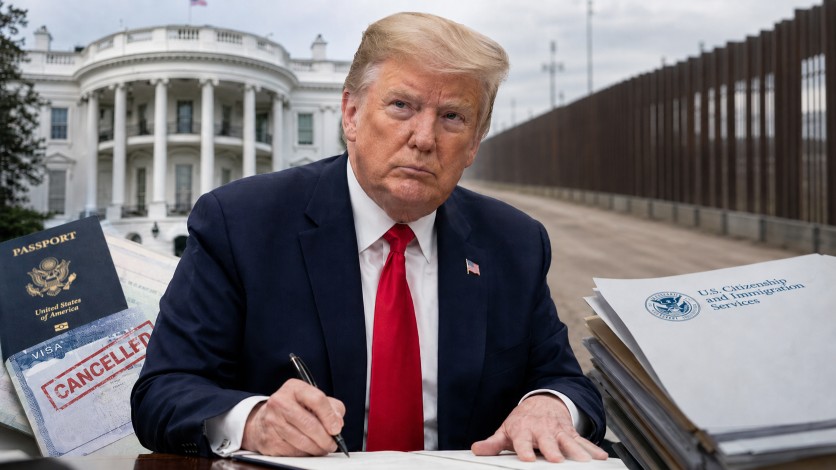
The Trump administration is set to revoke B1 and B2 non-immigrant visas from foreign nationals who initially entered the U.S. for short-term business or tourism and subsequently applied for asylum. According to reports referencing government documentation and insights from U.S. officials, this action could impact as many as 200,000 individuals. This potential scale positions the initiative as one of the largest visa revocation efforts in the history of the United States.
Coordination efforts are underway between the State Department and the Department of Homeland Security to pinpoint visa holders who, after entering the country on temporary visitor visas, sought asylum to extend their stay. Officials have clarified that this revocation of visas does not necessarily equate to immediate deportation. However, those with pending asylum applications may see their status altered from business or tourist visitors to a new classification within the immigration system.
This policy shift is part of a broader strategy by the administration to intensify immigration enforcement. The government aims to tackle what it perceives as the misuse of the asylum system, suggesting that some individuals may be leveraging the visitor visa process as a pathway to remain in the U.S. indefinitely.
The implications of this measure could be significant, affecting thousands who are currently navigating the asylum process. As these individuals await decisions on their cases, their change in status could introduce new legal challenges and uncertainties about their future in the United States.