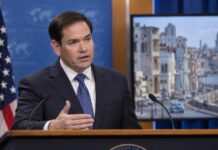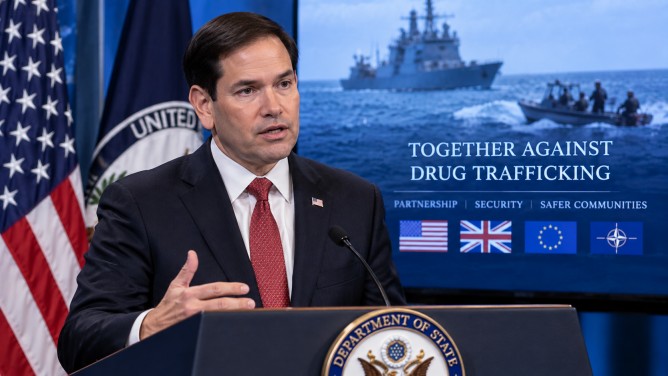
During a recent trip to Ecuador, US Secretary of State Marco Rubio announced plans for the United States to enhance its collaboration with Latin American allies in the battle against drug trafficking. He underscored that while cooperation would be emphasized, the US military retains the option to strike vessels when deemed necessary. Rubio revealed that Washington is aiming to forge agreements for joint operations with nations such as Ecuador and Colombia, focusing on actions within their territorial waters and in adherence to local legal frameworks.
This initiative comes in the midst of an ongoing military campaign by the United States targeting boats suspected of being involved in drug trafficking activities. The latest military strike, conducted in the Caribbean Sea, reportedly resulted in the deaths of three individuals. Since the campaign’s initiation in September 2025, there have been at least 230 fatalities across 69 operations linked to these US-led maritime actions.
Rubio noted that any future military interventions would be assessed individually, taking into account the specific threat level and the precise location of the vessels involved. He stressed that enhanced cooperation with governments in the region would be pivotal in dismantling drug-trafficking networks and ultimately eradicating the routes used by traffickers.
This strategic pivot towards strengthened partnerships comes after criticisms were levied against the US for its previous unilateral strikes on vessels. These actions were executed under the administration of former President Trump, targeting individuals accused of collaborating with so-called “narco-terrorists.” By working more closely with Latin American countries, the US aims to foster a collective effort in addressing the pervasive issue of drug trafficking.