Amid escalating geopolitical shifts, the European Union is exploring unprecedented alliances to strengthen its global standing. The EU has extended an invitation to Canada, proposing it become the bloc’s first “associate member.” This move aims to solidify ties in technology, defense, and energy sectors in response to mounting challenges against the international rules-based system.
European Commission President Ursula von der Leyen announced the initiative, emphasizing the need for a closer partnership with Ottawa. The EU and Canada already share a strong bond through a trade agreement and various bilateral arrangements, which have become more crucial since the United States, under President Donald Trump, imposed tariffs on both allied regions.
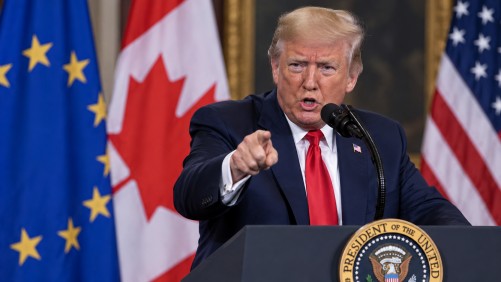
However, this potential EU-Canada alliance has drawn sharp criticism from President Trump, who views it as a “laughable” proposition. He warned that the United States might retaliate by imposing “very serious tariffs” on European goods or adjusting its trade relationships with the EU. Trump’s response hinges on whether he perceives the EU’s overture to Canada as a cooperative gesture or a hostile maneuver.
Canada’s interest in expanding its defense partnerships beyond the United States is evident in its formal application to join the British-led Joint Expeditionary Force, a rapid-response military coalition. This step aligns with its broader strategy to diversify alliances amid evolving global tensions.
The specifics of Canada’s associate membership with the EU are still being negotiated, as the EU currently lacks a formal category for such an arrangement. Nonetheless, the proposal could pave the way for enhanced cooperation in areas like defense industries, artificial intelligence, critical minerals, and cybersecurity, marking a significant shift in transatlantic relations.